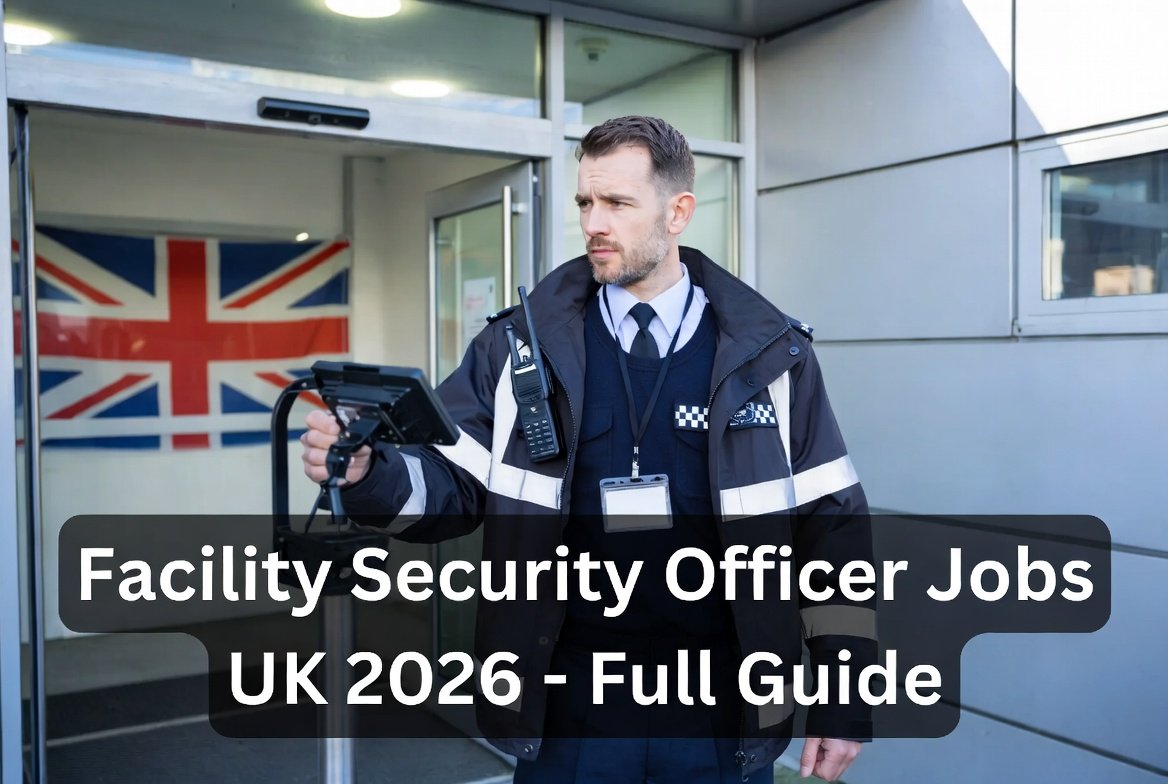
Facility Security Officers (FSOs) play a critical role in protecting people, property, and assets across the United Kingdom. In 2026, these positions remain in steady demand due to heightened security needs in commercial buildings, industrial sites, hospitals, data centres, educational campuses, and high-profile venues. Whether working for private security companies, in-house facilities teams, or specialist contractors, Facility Security Officers ensure safe and secure environments while responding to incidents and maintaining compliance with regulations. This comprehensive guide covers everything you need to know about the role, including typical duties, qualifications, salary expectations, and how to secure a position in 2026.
Why Facility Security Officer Roles Are in Demand
The UK security industry continues to grow in 2026, driven by increased concerns around crime, terrorism threats, health and safety compliance, and the expansion of critical infrastructure. Facilities ranging from corporate offices and retail centres to government buildings and renewable energy sites require professional security oversight.
Many organisations prefer dedicated Facility Security Officers over general security guards because the role involves broader responsibility for site-specific security protocols, risk assessments, and coordination with management. Opportunities exist in both permanent and contract positions, with shifts often including days, nights, and weekends. Remote monitoring and hybrid roles are also emerging with advanced CCTV and access control technology.
Key Duties and Responsibilities
A Facility Security Officer’s daily work is varied and hands-on. Typical responsibilities include:
- Patrolling premises and monitoring CCTV systems to detect and prevent security breaches.
- Controlling access for staff, visitors, and contractors, including issuing passes and conducting searches where necessary.
- Responding to alarms, emergencies, and incidents, liaising with police, fire services, or medical teams as required.
- Conducting risk assessments and implementing site-specific security procedures.
- Maintaining security logs, incident reports, and compliance documentation.
- Supervising security teams or contractors on larger sites.
- Enforcing health and safety policies, including fire safety and evacuation procedures.
- Managing lost property, parking enforcement, and general facilities support in some roles.
- Using advanced security technology such as access control systems, intruder alarms, and body-worn cameras.
The role demands vigilance, quick decision-making, and excellent communication skills, especially when dealing with the public or challenging situations.
Qualifications and Requirements for 2026
Entry requirements are accessible for many candidates, but professional standards are strictly enforced:
Essential Requirements
- A valid Security Industry Authority (SIA) Licence — This is mandatory for most frontline security roles in the UK. You must complete an approved SIA training course (e.g., Security Guard or CCTV Operator) and pass criminal record and identity checks.
- Minimum age of 18.
- Basic literacy and numeracy skills.
- A clean criminal record (enhanced DBS check often required).
- Good physical fitness and ability to stand or patrol for long periods.
Preferred Qualifications
- Previous experience in security, military, police, or customer service roles.
- First Aid certification.
- Conflict management or physical intervention training.
- Knowledge of relevant regulations such as the Private Security Industry Act and Health & Safety at Work Act.
- For specialist facilities (e.g., data centres or critical national infrastructure), additional clearances like SC (Security Check) or BPSS may be needed.
No formal degree is usually required, making this an attractive career for school leavers, career changers, or those returning to work. Training providers offer short, intensive courses to obtain an SIA licence.
Salary Expectations in 2026
Salaries for Facility Security Officers vary depending on location, experience, shift patterns, and sector:
- Entry-level / Standard roles: £23,000 – £28,000 per year
- Experienced officers: £28,000 – £35,000 per year
- London and South East: £30,000 – £42,000+ (higher due to living costs and demand)
- Specialist or supervisory positions: £40,000 – £55,000+
Many roles offer additional benefits such as overtime pay, night shift allowances, pension contributions, uniform, and training support. Contract or agency work can provide higher hourly rates but may lack some benefits.
Visa Sponsorship and International Opportunities
Some larger security companies and facilities with skills shortages offer Skilled Worker visa sponsorship for qualified candidates. However, sponsorship is more common for supervisory or specialist roles that meet the minimum salary threshold. Candidates typically need relevant experience, an SIA licence (or willingness to obtain one), and English language proficiency. Always verify current sponsorship eligibility on official government sources.
How to Find and Apply for Facility Security Officer Jobs
- Job Platforms: Search on Indeed, Reed, Totaljobs, and Glassdoor using terms like “Facility Security Officer”, “Security Officer”, or “Site Security Supervisor”.
- Recruitment Agencies: Specialist agencies that supply security personnel often have immediate vacancies.
- Direct Employers: Facilities management companies, NHS trusts, universities, and major contractors frequently recruit.
- Application Tips: Highlight any security experience, SIA licence status, and customer service skills. Prepare for interviews that may include scenario-based questions on conflict resolution and emergency response.
Many positions are filled quickly, so applying promptly and obtaining your SIA licence in advance significantly improves your chances.
Challenges and Career Progression
The role can involve long hours on your feet, exposure to all weather conditions, and occasional confrontational situations. Shift work may impact work-life balance. However, the job offers variety, job security, and clear progression paths into senior security management, control room operations, or specialist areas like close protection or corporate security.
With experience and additional qualifications, many Facility Security Officers advance to Security Manager or Head of Security positions within 3–5 years.
Practical Tips for Success in 2026
- Obtain or renew your SIA licence as soon as possible — it is the key qualification.
- Build relevant experience through volunteering, retail security, or event stewarding.
- Develop strong interpersonal skills and cultural awareness for diverse environments.
- Stay updated with security technology and legislation through ongoing training.
- Maintain high standards of professionalism and appearance.
- Consider additional certifications in first aid, fire safety, or risk management to stand out.
- For international applicants: Research UK workplace culture and prepare for enhanced background checks.
Conclusion
Facility Security Officer jobs in the UK in 2026 provide stable employment, competitive pay, and the opportunity to make a real difference in protecting people and premises. With relatively straightforward entry requirements and strong ongoing demand, this is an excellent career choice for reliable, vigilant individuals seeking a hands-on role with progression potential.
Whether you are starting out, changing careers, or exploring opportunities from overseas, gaining an SIA licence and demonstrating strong security awareness will position you well for success. Always review the latest job postings and official guidance for the most current requirements and opportunities.
This guide offers general information based on 2026 market trends and is not a substitute for professional careers or immigration advice. Check individual employer requirements and official sources before applying.